7 Deadly Signs Your Casino Is Rigged (Stop Playing Now!)

How to Tell If a Casino Is Rigged: 7 Clear Signs You Should Know
Casinos are built to give the house a small mathematical advantage, which means they win more over time. But that’s not the same as a rigged casino—one that actively cheats by changing game results or refusing to pay you. Here are 7 clear signs that will help you spot a rigged casino before you lose your money.
1. No Verifiable License or Regulation
A real, trustworthy casino will show its license number clearly, usually at the bottom of the website. This license comes from respected groups like the UK Gambling Commission, Malta Gaming Authority, or Nevada Gaming Control Board. For example, if you see a license number from the UKGC, you can go to the UKGC website and check that number to confirm the casino is legit. If the license badge doesn’t link to the official regulator page, or if the casino says it’s licensed by a random island with no public list of companies, that’s a big warning sign. Always double-check the license before you play.
2. Missing or Fake Game Fairness Certifications
Good casinos let independent companies test their games to prove the results are truly random. You’ll see certification logos from groups like eCOGRA, iTech Labs, or GLI. For example, a casino like Betsson shows its eCOGRA seal and even posts public reports that say their slots have a 96% Return-to-Player rate. If a casino has no certification logos, or you can’t find the actual test reports on the certifier’s website, that’s a red flag. Real casinos are proud of their fairness tests and will show them clearly.
3. Very Low or Hidden RTP (Return-to-Player) Rates
RTP is the percentage of money a game pays back to players over time. Most normal slot machines pay back between 92% and 98%. For example, a popular slot called Starburst has an RTP of 96.1%, which means over 100 bets of $1 each, it should pay back $96.10 on average. If a casino’s slots have an RTP below 90%, or if they don’t even tell you the RTP, that’s suspicious. Legit casinos list RTP for every game in the help section, while shady ones hide it or give fake numbers.
4. Withdrawal Problems and Bad Customer Service
Real casinos pay you quickly when you win, usually within 24–48 hours. For example, if you withdraw $500 from a trusted casino like 888, you’ll get it in your bank account in about 1 day. But rigged casinos make it hard: they keep asking for more ID photos forever, say your withdrawal is “under review” for weeks, or just ignore your emails. If live chat support disappears when you ask about money, or customer service replies with broken English and no answers, that’s a strong sign the casino is not fair.
5. Games That Feel Unnaturally Weird
Even with the house edge, real games follow normal probability. For example, in roulette, red and black should come up about equally over time. But if you see the same color come up 10+ times in a row multiple times in one session, or slots keep giving you “almost wins” like 2 out of 3 matching symbols every single time, that’s suspicious. In online blackjack, if you notice the dealer always gets a 20 or the same card suits come in weird patterns, the game might be scripted to cheat. Real RNG (random number generator) games don’t do this.
6. Bad Reviews from Other Players
Check what other players say on sites like Casinomeister, Reddit’s r/casinos, or Trustpilot. For example, if you search “Casino X reviews” and see 50 people saying they never got their $1,000 withdrawal, that’s a problem. Trusted casinos like LeoVegas have hundreds of positive reviews and fast payout stories. If you see many complaints about rigged games, denied wins, or no response from support, skip that casino. Real players talk honest, and if many say the same bad thing, it’s probably true.
7. Strange Things at Physical Casinos
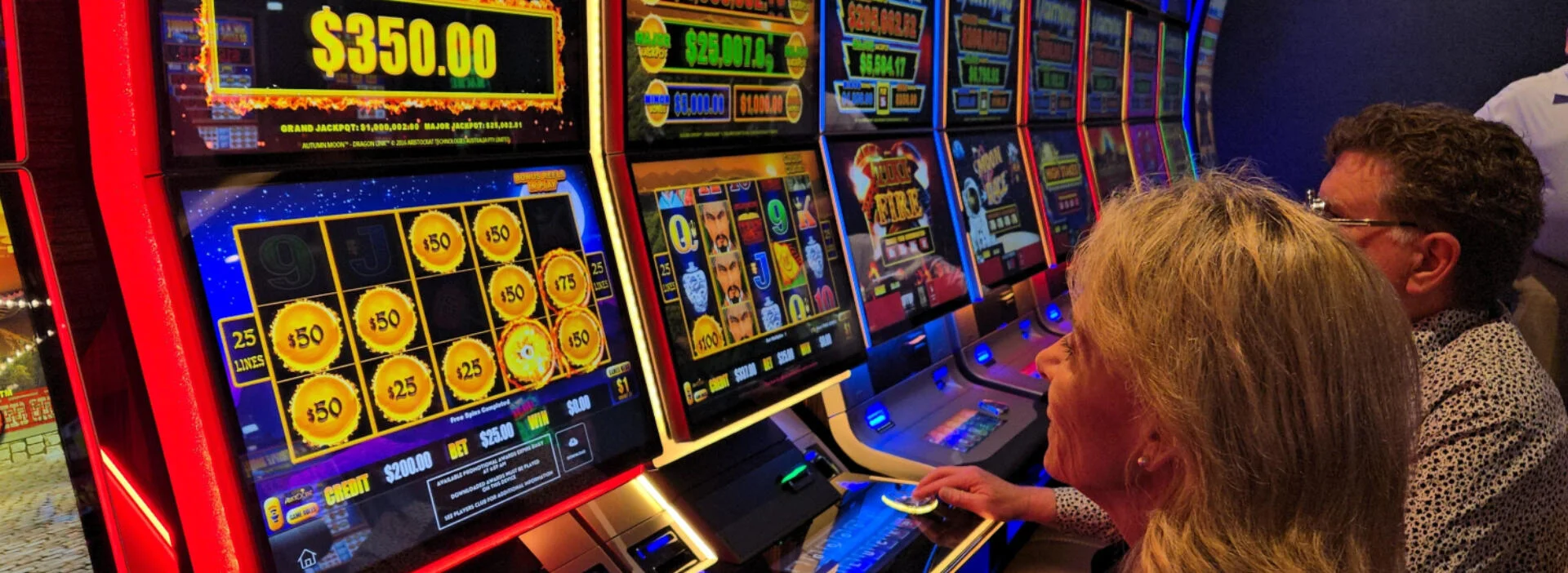
If you’re at a real building casino, watch for odd signs. For example, if the dealer keeps looking away while dealing, or you see cards that are bent or marked, that’s cheating. A roulette wheel that tilts slightly can give the house an unfair edge. If slot machines keep freezing or crashing at the same table, or if there are too many security guards watching one game area, that’s unusual. Also, if the dealer makes unclear moves or won’t answer simple questions, trust your gut and leave.
What to Do If You Think a Casino Is Rigged
First, save everything: screenshots of your game history, emails, chat messages, and withdrawal requests. For example, if the casino says you violated a rule but you didn’t, show them your chat log proving they never told you that rule. Then, message customer support calmly with your evidence. If they don’t fix it, ask for a supervisor. Next, file a complaint on the casino’s licensing website—regulators like the UKGC will investigate. You can also post on gambling forums to warn others. If you lost a lot of money, a lawyer can help you get it back.
The Bottom Line
Most licensed casinos are fair and just use the normal house edge. But some bad ones cheat by changing game results or refusing payouts. To stay safe, check the license, look for fairness certifications, read the RTP, watch for withdrawal problems, notice weird game patterns, check player reviews, and trust your gut at physical casinos. Play only at casinos that pass all these checks, and you’ll avoid rigged ones. Always gamble responsibly and never bet money you can’t afford to lose.
FAQ
7 Dead-Simple Ways to Spot Legit Online Casinos (No More Scams!)
How to Spot a Legit Online Casino: Easy Steps for Safe Play Want to enjoy online casino games without worry? Checking if a site is legit keeps your money and info safe. Use these simple steps with real examples to pick trusted spots. Step 1: Look for a Real License Every good casino shows its license right at the bottom of the page. Trusted ones come from places like the Malta Gaming Authority (MGA), UK Gambling Commission (UKGC), or Curacao eGaming.
80/20 Rule in Gambling: Focus Your Edge for Bigger Wins
The 80/20 rule in gambling, grounded in the Pareto Principle, says that a small portion of bets or opportunities often drives most profits. In real-world terms, about 80% of gains can come from roughly 20% of bets, markets, or players, while the other 80% contribute little to overall profitability. Practical examples and data points Bet selection: In a week with 25 live bets, a bettor might find that 5 bets (the top 20%) account for most of the expected profit, while the remaining 20 bets deliver minimal edge.
Who invented the game of roulette?
Who invented the game of roulette? The exact origins of roulette are a subject of much debate and speculation among historians and gambling enthusiasts. While there is no clear consensus on the game’s inventor, several theories exist regarding its creation. One of the most popular theories is that the game was invented by a French mathematician named Blaise Pascal in the 17th century. According to this theory, Pascal was attempting to develop a perpetual motion machine when he inadvertently created the roulette wheel.
Scammer Red Flags: How to Spot Fraud Fast
1. What a scammer looks like A scammer usually tries to rush you, confuse you, or make you act before you think. They may contact you by phone, text, email, social media, or even in person, and they often pretend to be someone trustworthy like a bank, government office, delivery company, or tech support agent. 2. The biggest red flags One of the clearest warning signs is urgent pressure. A scammer may say you must act now, pay now, or lose access to money, an account, or a prize.
7 Deadly Signs Your Casino Is Rigged (Stop Playing Now!)
How to Tell If a Casino Is Rigged: 7 Clear Signs You Should Know Casinos are built to give the house a small mathematical advantage, which means they win more over time. But that’s not the same as a rigged casino—one that actively cheats by changing game results or refusing to pay you. Here are 7 clear signs that will help you spot a rigged casino before you lose your money.
8 Common Online Scams and How to Spot Them
What Are Some Examples of Online Scams? Online scams use emails, websites, texts, social media, or other digital channels to trick people into sharing personal information or sending money. They often impersonate trusted organizations or create a sense of urgency. Common examples include: Phishing messages: A fake email or text claims to come from a bank, delivery company, or online service. It may ask you to click a link, verify account details, or open an attachment.
Rich Sweeps Casino – Games, Account & Player Guide
This site only collects related articles. Viewing the original, please copy and open the following link:7 Deadly Signs Your Casino Is Rigged (Stop Playing Now!)